Best Puma Trainers Under £60 (UK): Palermo, Club, Caven and More
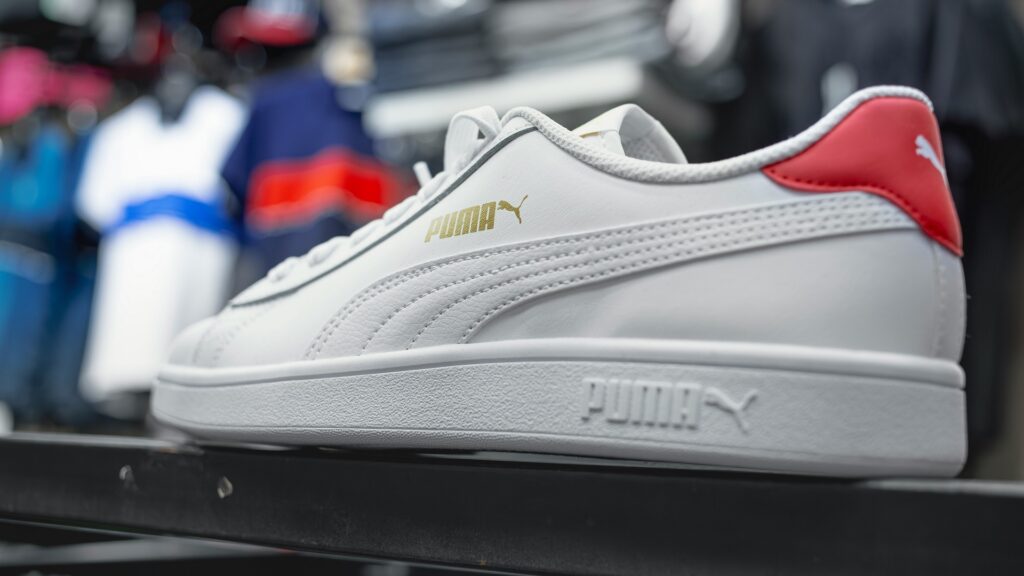
Puma has one of the widest ranges of any sports brand, which is great for choice and terrible for decision-making. The good news: you can find plenty of excellent Puma trainers for well under £60 if you know where to look. Here is a short guide to the styles worth considering, grouped by what you actually want to wear them for.
A bit of context
Puma was founded in 1948 in Herzogenaurach, Germany, by Rudolf Dassler. Over seven decades it has built up a huge back catalogue, which is why so many of today’s trainers are reworkings of old designs. That is useful to know when you shop, because “retro” here means genuinely retro, not just a marketing label.
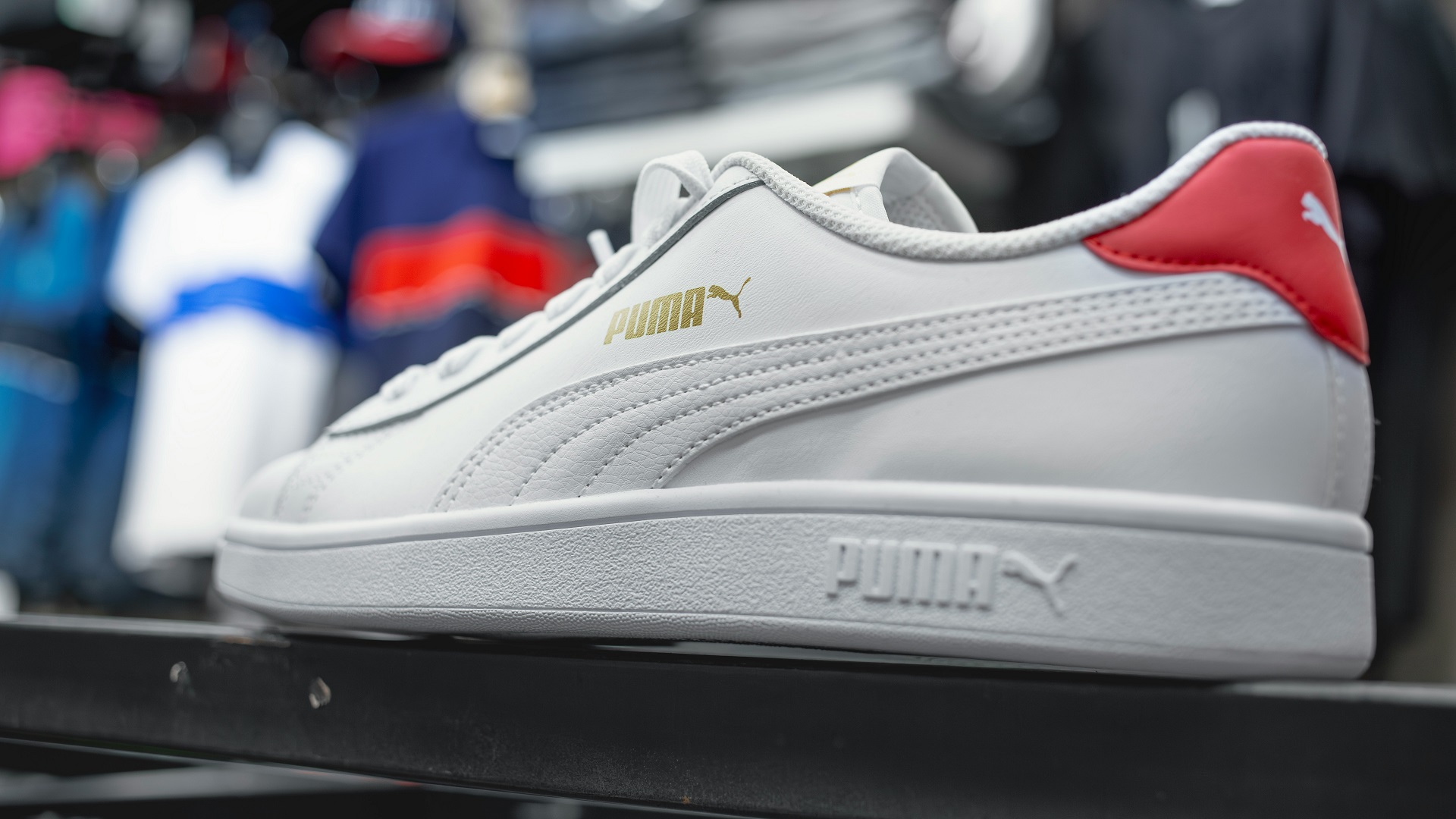
For a clean, simple white trainer
The Puma Caven III (including the OG and SD versions) is a low-profile court-style shoe that looks smart enough for the office and relaxed enough for the weekend. The Club LT (in ESD and SL versions) is another good option: understated, light and usually priced comfortably under £50.
See Caven prices → See Club prices →
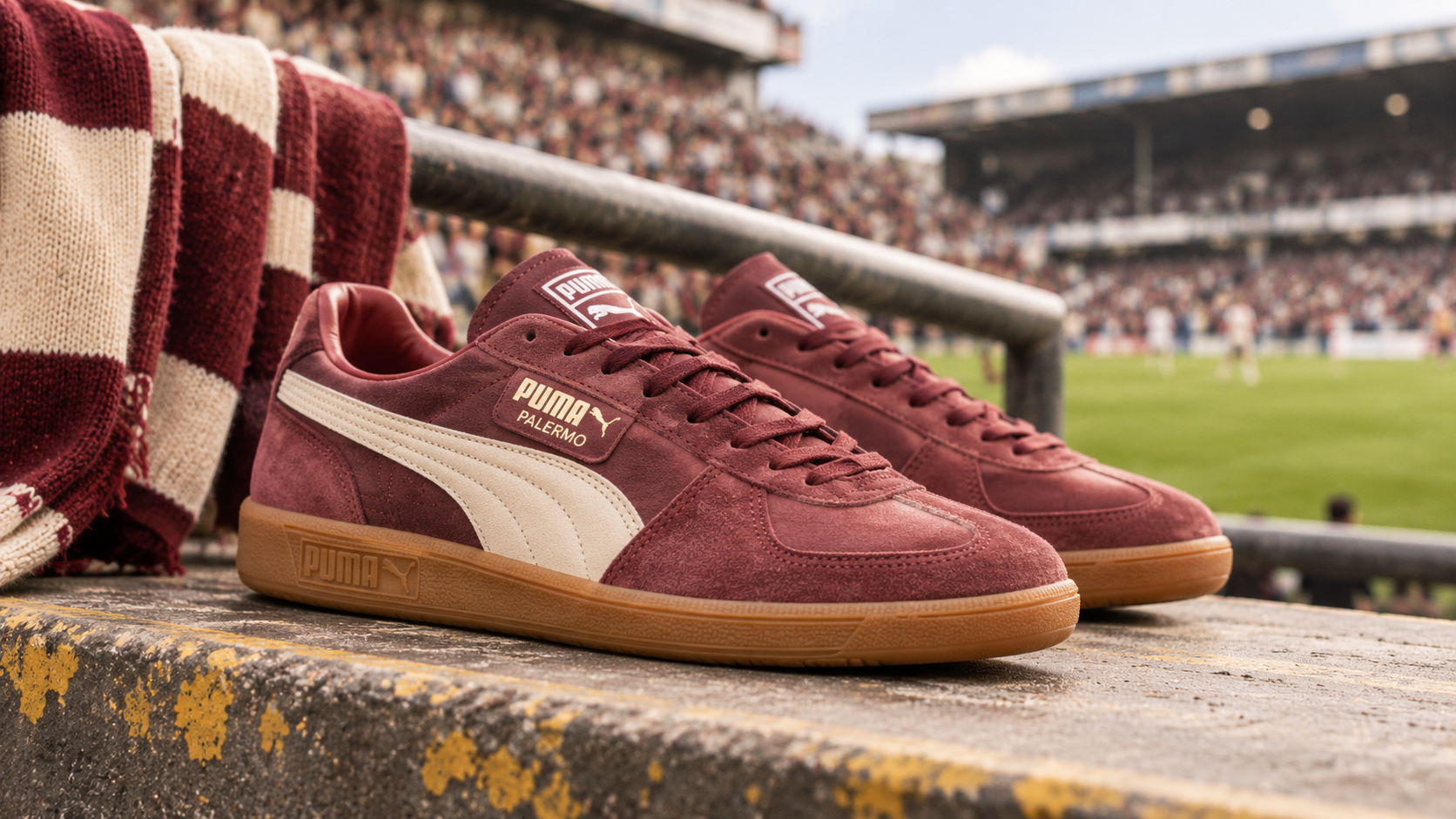
For a retro, terrace look
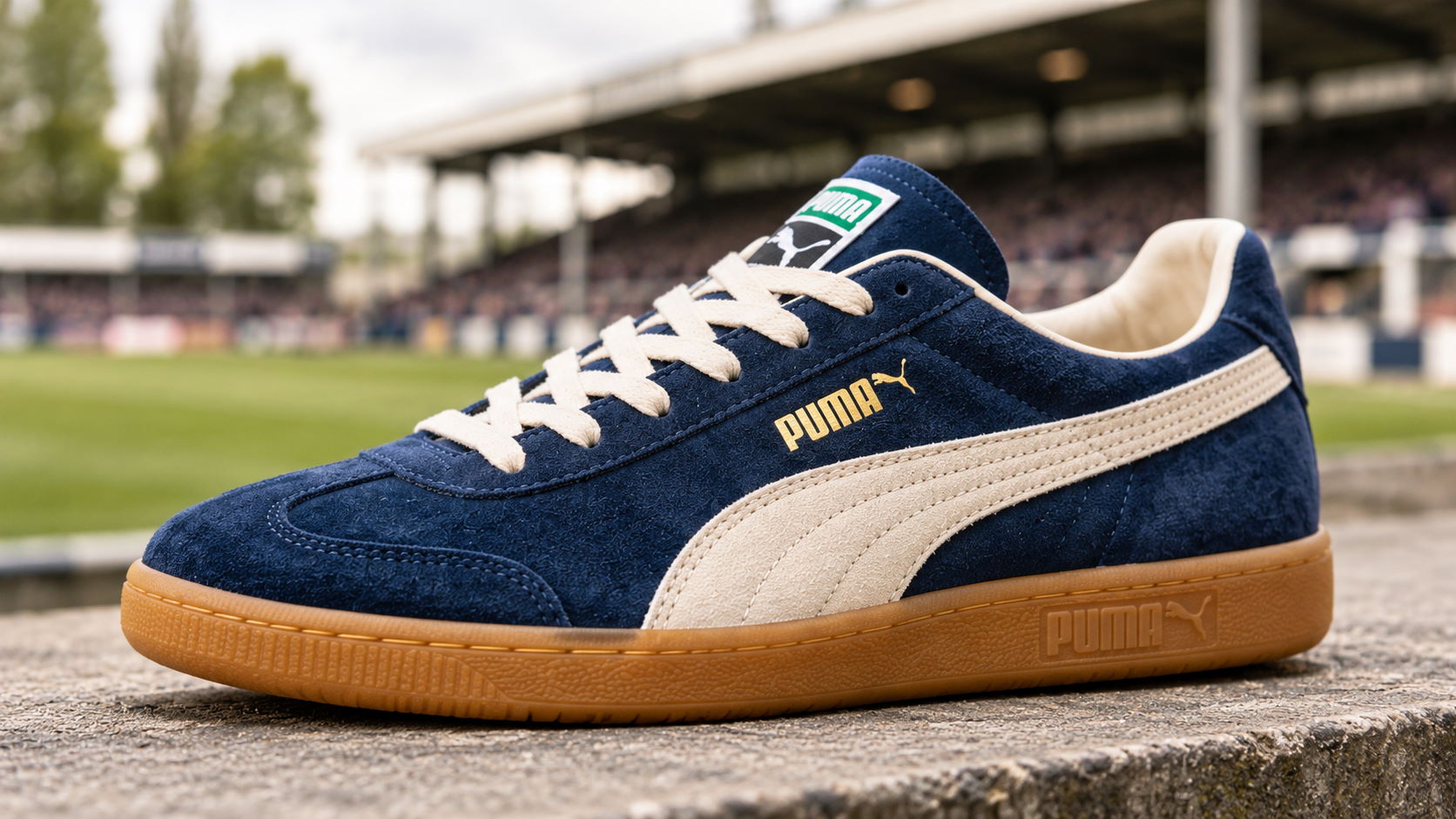
The Puma Palermo is one of the great terrace trainers: it started life in the 1970s and 80s as a gum-soled performance training shoe and became a staple of casual culture in the 1980s, usually worn with jeans and track tops. It returned as an archive re-release in 2021. The Palermo sits at the higher end of Puma pricing, but look at the Tackle, Kayzer OG and Shuffle Downtown OG too, which have a similar vintage feel and are often cheaper.
See Palermo prices → See Shuffle prices →
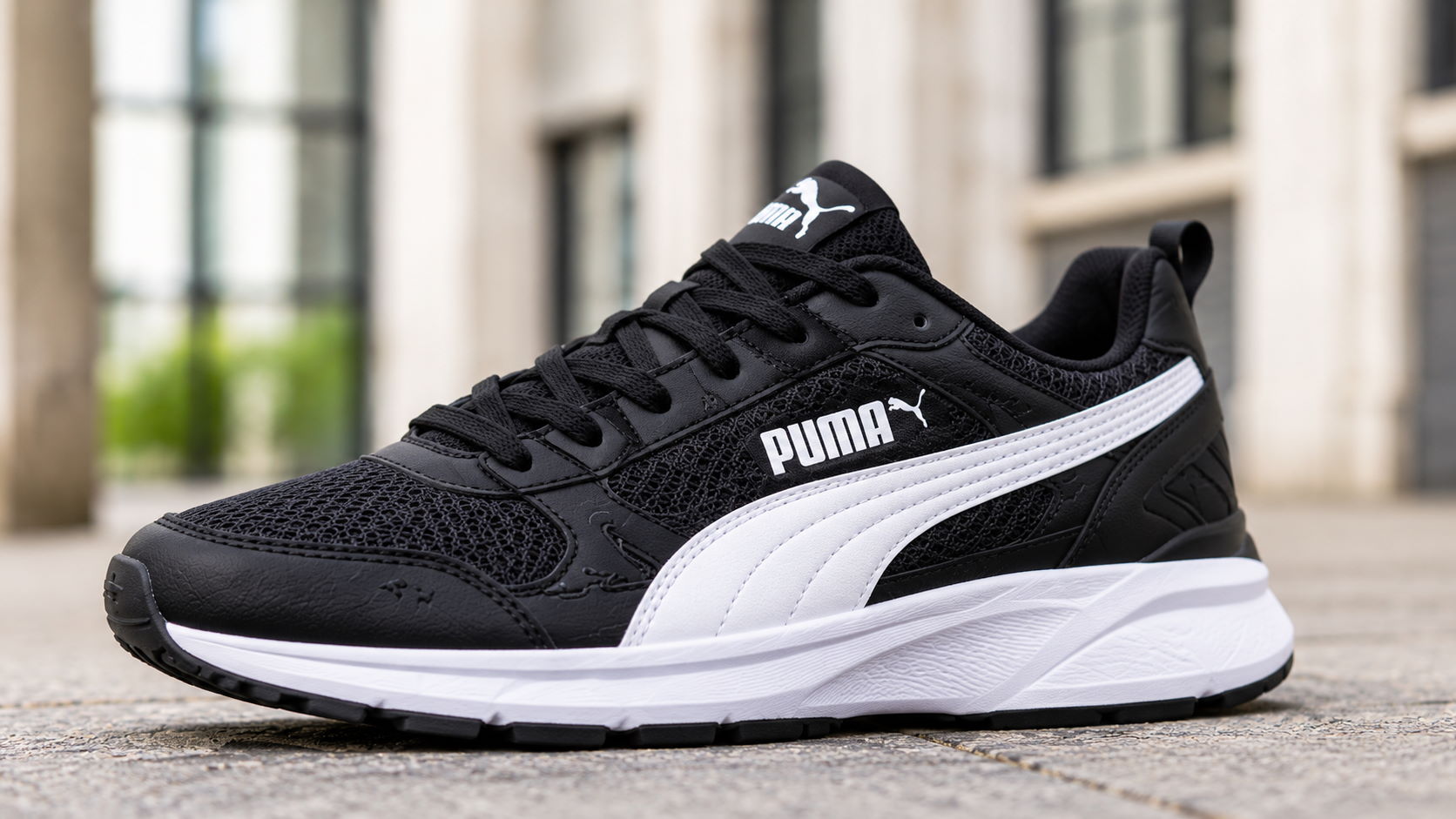
For a bit of motorsport style
The Speedcat is the low, slim, driving-shoe style trainer that took off thanks to its motorsport roots. It looks distinctive and it is worth checking whether a BMW edition or another colourway is on offer, as these are frequently discounted.
For a lightweight everyday runner
If you want something sportier and comfier, the Dasher Lite, Pounce Lite, Skyrocket Lite and Agile Lite TR are budget-friendly, lightweight runner-style trainers, often in black. They are good for the gym, errands and walking, and many sit between roughly £33 and £55. The Profoam Galactic and Milenio Tech 2000 add a chunkier, more modern look and tend to cost a little more.
For something basketball-inspired
The Rebound range (Rebound v6 and Rebound Slam Lo) takes its look from basketball shoes: padded collars, bold lines and a high-top option. It is a good pick if you want something with more presence than a court shoe.
What should you pay?
As of writing, the majority of the Puma trainers we list are priced between about £40 and £65, with a good number under £50. Look for the discount shown against the usual price: many of the white Club and Caven styles are marked down by around 10–25%, and our product pages always show the current price against the usual price.
Buying tips
- Check the exact sub-model. “Club LT ESD” and “Club LT SL” are different shoes with different details, even though they look similar.
- Check sizes in stock. Each product page lists them, which saves you clicking through only to find your size gone.
- Look at duplicates. The same shoe is sometimes listed in slightly different colour names, and prices can differ by a few pounds.
Why so many Puma trainers are named after cities
Puma has a long habit of naming styles after places: the Palermo takes its name from the Sicilian capital, and the brand has a family of “city” silhouettes. It is a nice reminder that many of the shoes on this page have a story, and that a retro-looking Puma is often a faithful re-release, not just a modern shoe with an old-fashioned colour.
Puma and Adidas: the family connection
Puma’s founder, Rudolf Dassler, started the company in 1948 in Herzogenaurach. His brother Adi founded Adidas, and both brands grew up in the same small Bavarian town. That history explains why the two brands sit so close together on the high street, and why their classic court and terrace shoes look similar. If you are comparing, our Adidas range is worth a look alongside.
Three easy outfits with Puma trainers
- Weekend casual: white Club LT or Caven III, straight jeans and a plain tee.
- Retro sportswear: a Palermo with track pants and a zip-up top, which is the classic terrace look.
- Everyday active: a black Dasher Lite or Pounce Lite with joggers or shorts, and a light jacket.
Fit and sizing
Puma sizing varies between ranges, so a size that suits you in a slim court shoe may feel different in a chunkier runner. Read the reviews for the exact model, check the retailer’s size guide, and use the “sizes in stock” list on our product pages so you are not choosing a pair that has already sold out in your size.
Looking after suede and synthetic uppers
Retro Puma styles often use suede or suede-effect uppers. Brush them with a suede brush to lift the nap, use a protector spray before first wear, and avoid soaking them. Synthetic and leather-look uppers, which are common in the budget ranges, can simply be wiped with a damp cloth. Either way, keep them away from direct heat when they dry.
Is a cheaper Puma worth it?
Usually, yes, for everyday use. Budget Puma trainers are built to look good and be comfortable for ordinary days, not to survive marathon training. If you are spending under £60, the sweet spot is a simple model in a classic colour: those tend to be the most durable-looking and the easiest to dress.
Frequently asked questions
Are Puma trainers good quality?
For everyday wear, yes. Budget models use simpler materials than flagship ones, so expect them to be comfortable and good-looking rather than hard-wearing for heavy training.
Do Puma trainers run small?
Fit varies by model. If you are unsure, read reviews for the specific shoe and use the retailer’s size guide.
Which Puma is the most comfortable?
For casual wear, the lightweight “Lite” runners and the Profoam and Milenio ranges are the most cushioned. The slim court shoes are comfortable but flatter.
Disclosure: TrainerSpotter may earn a commission if you buy through links on this page, at no extra cost to you.